Pages

Search This Blog

Showing posts with label Nature. Show all posts

Monday, April 5, 2021

The Most Suited Time to Fertilize Plants in the Day

The plant grows and thrives well thanks to the addition of necessary nutrients. The nutrients penetrate deep into the soil and help the roots absorb the whole plant. Therefore, in order to maximize the benefits of fertilizing, you need to know the best time of day to contribute to making the garden healthier in the long run.


The most perfect time

Fertilizing in the morning before the sun is strong allows you to take advantage of the cool temperatures and reduce the wind. When you spread the nutrients over the topsoil, you water them without fear of the wind evaporating the nutrients, so the essentials will come to the roots quickly and activate absorption almost immediately. instantly. In addition, plants are not stressed by the midday heat, so they are more easily absorbed when nutrients are absorbed into the soil.


Using fertilizer in the evening

You can still apply fertilizer in the evening for about 5-6 hours as one of the alternatives if you’re busy in the morning. You should fertilize at the base and then water to fertilizer is absorbed slowly into the soil. Do not overwater or spray directly onto the leaves. Because of the moisture remaining on the leaves at night, it is easy to make a tree fungus.


Principles when fertilizing

Only fertilize the plants that need it, apply it just right, and apply it at the right cycle.


If you apply NPK, you should apply it proportionally depending on the time of the plant. If the need for plants to grow, then apply a lot of nitrogen, otherwise, if the tree bears fruit then apply a lot of nitrogen and phosphorus + trace elements (some common ratios such as 30-10-10, 20-20-15 + TE, 6-30-30). Before fertilizing, mix in water at the rate of about 15ml (one tablespoon) to 5 liters of water.

You can apply organic fertilizer directly to the base. if the plant is in the development stage that needs a lot of protein, then apply cow, chicken, and earthworm fertilizers. If the tree needs to flower, raise fruit then fertilize bat–bat fertilizer into fertilizer with lots of phosphorus.

Comparing Organic and Chemical Fertilizers? Which is Safer?


The role of inorganic and organic fertilizer on plants

Inorganic fertilizers are forms of mineral salts obtained through chemical reactions or splitting processes to create the nutrients that plants need, produced by industrial processes.

Organic fertilizers play a role in improving the soil, such as enhancing humus, which helps the soil become porous to retain moisture, improve the pH, enhance soil nutrition, help microorganisms in the soil work better.


Differentiate between inorganic  and organic fertilizers

Inorganic fertilizers: are fertilizers produced from factories on the basis of chemical reactions to create these fertilizers. For example, nitrogen, urea, phosphorus, potassium … These products can be made from petroleum products, rocks, or even organic sources. Some chemicals may appear naturally, but the difference is that the nutrients in chemical fertilizers are refined to their pure state.

Advantages :

  • Supplying minerals to plants to promote growth
  • Reasonable price, in other words, quite cheap.
  • Standardized makes the ratios and chemical sources easy to understand.
  • They are highly analyzed to produce the exact ratio of desired nutrients.

Disadvantages :

  • The soil is hardened, not loose
  • Chemical fertilizer residues can be harmful to your health
  • Environmental pollution if abused


Organic fertilizer: Formed from animal excrement, waste, agricultural by-products, domestic waste, waste, and by-products from seafood processing factories … Nursing is in the form of organic compounds. The words “organic” or “natural” in this case simply mean that the product is only minimally processed and the nutrients are still bound in their natural forms, rather than extracted. and refined.

Advantages :

  • When organic fertilizers are broken down, they also improve the structure of the soil and increase the ability to retain water and nutrients.
  • Because they are slow-release fertilizers, it is difficult to harm the crop.
  • Organic fertilizers are renewable, biodegradable, sustainable, and environmentally friendly.
  • There is very little risk of toxic accumulation of chemicals and salts that can harm crops.

Disadvantages :

  • Uncontrollable organic ingredients
  • Plants absorb slowly
  • Productivity is not high

5 Kinds of medicinal plants should be raised in home backyards


Polyscias fruticosa  ( Ming aralia )

According to traditional medicine, clove root has a sweet, slightly bitter taste, the coolness is mainly used to enhance health, improve mental health and vitality.

From stems and leaves to all roots and bark of 3 years and older are used as medicine: Roots as a tonic, diuretic, weak and frail; Leaves curing fever, smashing, curing pimples, swelling; Stems and branches cure rheumatism, back pain.

All parts of the clove can be processed into medicine.


Mint

Asian peppermint is a perennial herbaceous, single leaf, growing symmetrically, 2–6.5 cm long and 1–2 cm wide, hairy, with coarse leaf margins. Pale purple flowers (sometimes white or pink), clustered on stems, each 3–4 mm long. Peppermint can also be processed in food, but it also has used such as:

  • Strengthen the immune system, treat coughs, colds, and headaches.
  • Eliminate indoor odor, repel insects
  • Curing nausea
  • Clean the airways, treat sinusitis, asthma
  • Reduce bad breath
  • Cure allergies, insect bites
  • Relieve depression, reduce stress


Perilla leaves

In addition, with high nutritional value, rich in vitamins C, A, rich in Fe, Ca, and P … perilla is very good for the lungs and bronchi.

In terms of chemical composition, perilla seeds are high in essential oils and rich in unsaturated fatty acids, mainly alpha-linoleic acid. Perilla leaves contain pure essential oils and hydrocarbons, furans, aldehydes, ketones, etc. Perilla leaf extract has antioxidant, anti-inflammatory,anti-allergic, and anti-depressant properties. Spicy and sweet has an antipyretic effect, prevents vomiting, relieves pain, asthma.


Ginger


Ginger is a very common spice, most of us use it every day but did you know they also have healing effects?

  • Ginger helps reduce joint and muscle pain
  • Helps extend life
  • Eating ginger regularly prevents gallstones
  • Reduce the risk of Alzheimer’s disease
  • Relieves menstrual abdominal pain
  • Help relieve stress
  • Help treat nausea and vomiting

TOP 7 GREATEST AIR FILTER PLANTS WHEN GROWING IN THE GARDEN

 After working at the office, most of the time you stay inside. Therefore, cares about air quality in houses or offices are always their top priority. Discover these 7 plants that are the champions in eliminating toxic substances like,  trichloroethylene (C2HCl3), benzene (C6H6), formaldehyde (H-CHO), and carbon monoxide (CO) to clean the air for It’s my place to live.


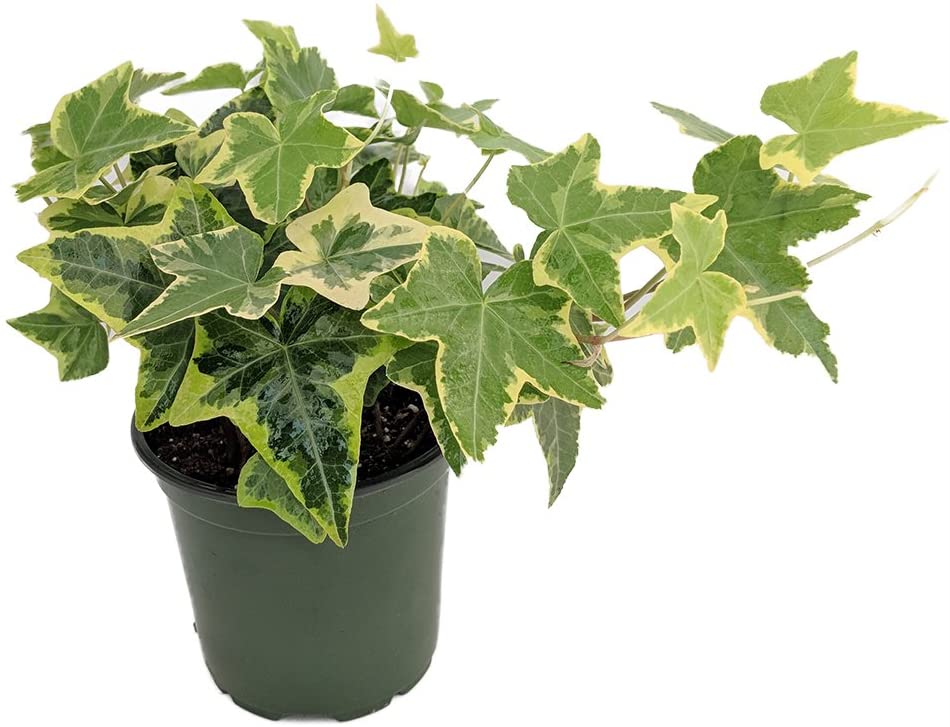
English Ivy


Whether you want greening or decorating your home, English Ivy is an ideal choice. Classic elegance with the ability to remove harmful chemicals in the home will convince you. They can grow well in the shade or under direct light. If taken care of, English Ivy will be in your home for many years.

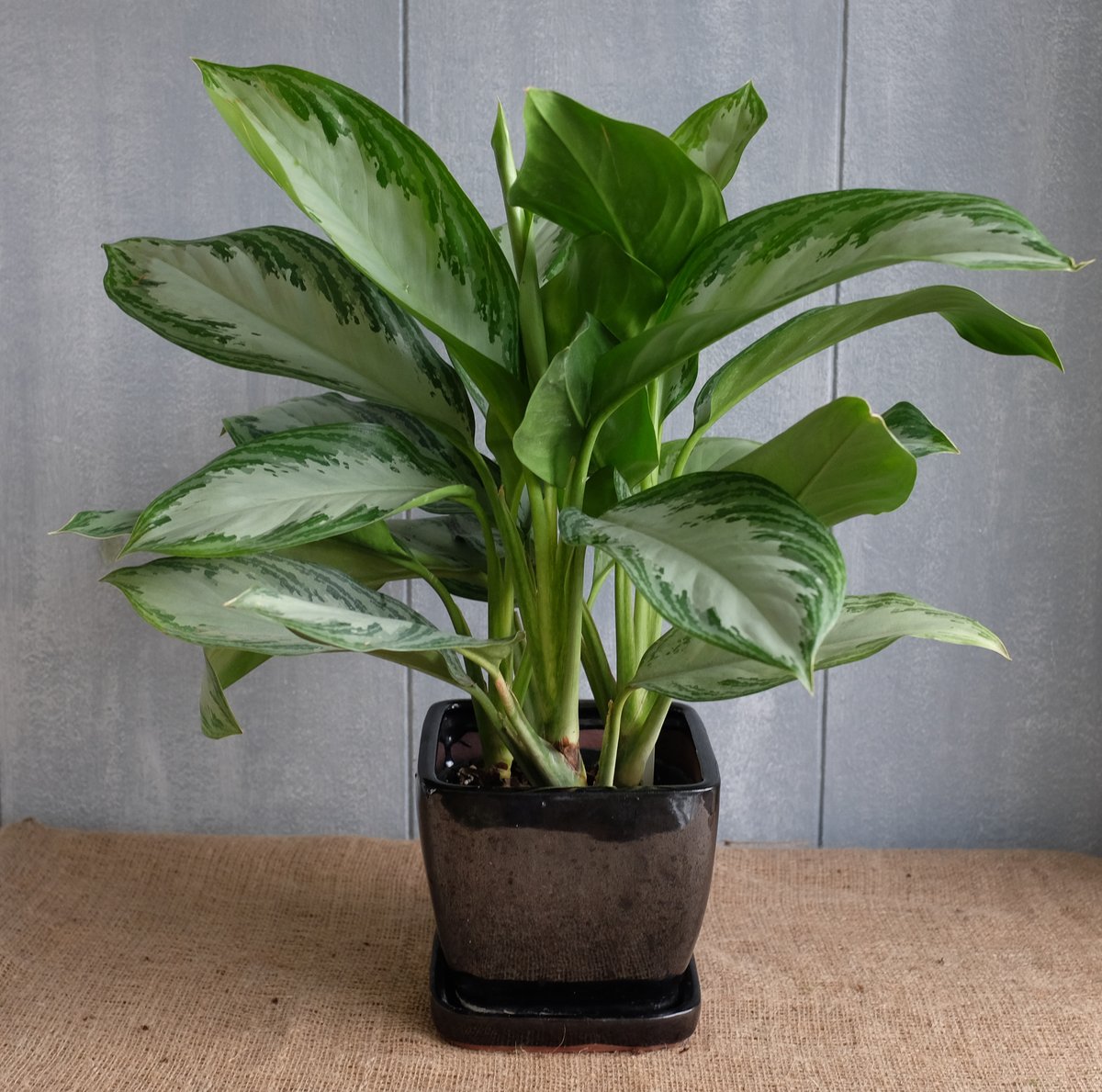
Chinese Evergreen


They include a variety of interior plants such as Aglaonema Red, Aglaonema, Aglaonema ‘lady valentine’, … They have the common feature of being easy to care for, thrive in low-medium light and afternoon. 30-60cm high. They help maintain a clean air content and balance indoor humidity. However, it is important to note that the stems and leaves contain irritants that can affect children or pets.

Palm


Red Palm, which grows well in low light, makes an excellent indoor plant. According to NASA research, a single areca tree can absorb up to 3,196µg of formaldehyde compound per hour, almost all of its composition in the air, a truly impressive figure.

Mother-in-law’s tongue (Snake Plant)

With a relatively simple shape, the mother-in-law’s tongue is an air purification expert with the ability to handle harmful substances for the human body such as formaldehyde (a carcinogen in hygiene products, paper). the toilet, paper towels or personal care products), xylene, toluene, and nitrogen oxide. This ability was confirmed by scientists in the 90s. Another special thing is that the mother-in-law’s tongue releases O2 at night to help you have a good night’s sleep.

Dracaena fragrans


Dracaena fragrans are easy to grow, you do not need too much care, but sometimes you should prune the old leaves to look more beautiful. They are really useful for filtering CO–vehicle emissions. In addition, they also have the ability to absorb benzene, toluene, formaldehyde in the air to ensure the health of members living in the room.

Boston Fern


The plant’s scientific name is Nephrolepis exaltata, which is one of the popular ornamental plants grown indoors. Boston Fern needs high humidity so you have to take care of watering and limit the sun’s direct sunlight. Plants that can remove most of the toxic chemicals such as formaldehyde, xylene, toluene, mercury, and arsenic should be considered one of the best air purifiers for your home and workplace.

Asteraceae


When placed indoors, this popular flower is very helpful in removing benzene and bringing a friendly beauty to your home. Daisies prefer a warm environment and the ideal temperature is around 250. Therefore, it is recommended to place the tree in places where light is light.

Sunday, April 4, 2021

What is hydroponic? The primary hydroponic systems

Breeding plants in solution (hydroponic) is a method of growing non-soil crops and planting them directly into a nutrient medium or medium and not the soil.

The mystery of this technique is to provide enough and time for the plant the essential mineral elements. By providing adequate nutrition, ensuring adequate light, CO2 for photosynthesis, O2 for respiration, plants can grow healthy according to the wishes of the growers.

Not all vegetables can be grown using hydroponic methods, which depends on many factors and techniques of caregivers.

Not only that, because planting does not require land, it is possible to divide the space into multiple layers to expand the area.

With the hydroponic system, you have created an ideal habitat for plants, eliminating fungi and pests, helping plants breed well, and improve productivity.

Crops yield up to 25% higher than those grown using brothels

The highest disadvantage of the hydroponic vegetable growing method is that the initial investment cost is higher than that of the soil. Moreover, if the pumping system fails, it may cause the entire plant on the hydroponic platform to wither.


Basic and simple Three hydroponic methods

1.Drip system


This is a very common system in hydroponic gardens for commercial production. Because this method is simple to operate and the investment cost is not too high. This system has a nutrient pump directly to the base of the plant through trickle nozzles. The excess nutrients will be absorbed through the roots and media and returned to the tank for reuse.


2.Deep Water Culture

In a stationary hydroponic system, you use a storage tank to store the nutrient solution. Your roots are suspended in that solution so they are constantly supplied with water, oxygen, and nutrients.

But there is a problem in this method that newbies often have is lack of oxygen. Due to the amount of static solution in the tank, there is no oxygen provided, so you must put an aerator to pump oxygen into the tank.


3.Wick Systems

This is a long-standing method, true to its name, this system works on the same principle as the wick of a kerosene lamp. It is also known as passive hydroponic, which means you do not need any air pump or water pump to use it.

This method is suitable for beginners because it is easy to implement and low cost. However, they are only suitable for small trees.

Nutrients and water are transferred to the root zone via a wick. The wick absorbs the nutrient provided below and moves to the upper media. This method requires a good substrate such as coconut fiber or earthenware.

Above are the three primary hydroponic methods and easy to implement without paying too much effort to have a clean vegetable garden as desired.

Saturday, April 3, 2021

Is abuse of chemical products bad? How to fix it?

Chemical fertilizers are widely used by growers, and it is even an important determinant of crop productivity. However, the use of chemical fertilizers in a widespread manner for a long time has made the degraded, soil infertile,  seriously affecting the environment. In addition, the harmful effects must include:


  • Rising awareness of plants to diseases: Many plant diseases are controlled by the microorganisms growing around the root zone. The lack of these microorganisms and some necessary micro-elements are quite common in areas where chemical fertilizers are regularly applied. As a result, the roots are surrounded by too many certain elements and cannot absorb other essential elements, thus weakening the tree due to nutrient imbalance and being susceptible to tons of diseases.
  • Dangerous and poisonous: Some chemical fertilizers contain nitrate compounds, so the amount of nitrate in vegetables or foods can cause the conversion of hemoglobin in the blood to methemoglobin, this metabolism happens more strongly and more in humans. young, causing illness and death.


  • Block the absorption of essential nutrients: The humus particles will be attractive to nutritional elements such as nitrogen, phosphorus, potassium, and other metal elements. Chemical fertilizers applied to the soil year after year will cause a fundamental change in the structure of organic humus particles. When there are too many particles around the humus particles, the root system’s root hair is eaten by one element and is no longer able to absorb the other minerals that the plant really needs.
  • Destroy microorganisms: When artificial fertilizers are used for a long time, the acids formed will destroy the fertile organic humus generated by the decay of dead soil organisms. Thus, this layer of surface solids prevents water from seeping in, and at the same time does not allow water below to infiltrate to escaping steam. The soil layer below becomes clogged and acidic. In this anoxic and acidic soil layer, the microorganism's density changes and can die.


How to fix

  • Use a lot of natural fertilizer
  • Crop rotation
  • Apply lime to increase the soil before and after each crop
  • Limit the use of pesticides if they are not required

Wednesday, March 3, 2021

Why the sky glimpse red during the sunrise and sunset?

 At sunrise or sunset, the sun and parts around it show the sky red. During these two periods, the sun is very close to the horizon, so the sunlight penetrates the relatively thick and thick air layer near our surface. Seven colors blend in the white light of the sun when sunlight falls on small particles of air-level floating dust and other objects, its colors spread to different angles. The lower the wavelength of the colored light, the greater its dispersion or dispersion, and the higher the wavelength of that light, the less its dispersion.


As a result, the diffusion of light colors such as violet, blue, and sky with the lowest wavelengths of sunlight occurs most often when passing through dust, water, etc. floating in the atmosphere. On the contrary, the red light's wavelength is less because its dispersion is less and it goes directly to the earth. And that is why the sun and the sky around it appear red at sunrise and sunset.


Now the question is, why does the sun appear redder than sunrise?

Yes, the little red skies on a sunny morning are not as pleasant as the red skies in the evening. Although the red sky at sunrise looks quite attractive, the western horizon of the sunset is a bit red and a bit sharper. The main reason for this is that the afternoon air has high amounts of dust and other elements, and in the morning air dust content is relatively low. As the night gets deeper after dusk, our surroundings slowly start to cool down. In this cool environment, dust and other gaseous elements float in the air and fall down.


 As a result, the environment is clear and clean in the morning. And because of the low dispersion of sunlight in this clear air, the red color in the morning looks a bit lighter. On the contrary, as the sun rises in the early afternoon, the sun's intense light and the movement of people increase the amount of dust in the air, as well as other elements around it. As a result, at sunset, the sunlight is more diffused in the atmosphere, rendering the western sky a darker red than the eastern sky.

Why is the Our Planet So Hot?

 Many of us may have read the French novelist Jul Verne's sci-fi novel 'A Journey to the Center of Earth'. But is it possible to go to the center of the world at all after following that trip by Jule Verne? Let's take the deepest mining in the world. The Tau Tona gold mine in Carletonville, Johannesburg, South Africa, boasts a magnitude of 5.7 km. (2.5 miles). At this depth, the temperature of the mining plant is 60 ° C. (140 ° F). If you go down the mine, by the way, it will feel like it is slowly moving towards a burning fire.


On May 24, 1970, the scientists of the former Soviet Union began an excavation project to discover the nature of the underground. The purpose of this project, called 'Kola Superdeep Borehole' on the Kola Peninsula in the Pechengsky district of Russia's border with Finland, was to artificially dig holes and move as far as possible to the center of the earth. The excavation project reached a depth of 12,222 m (1,220 ft) in 1 year. It was the deepest man-made artificial hole in two decades for depth and bore measurements. Subsequently, the depth of the Al Shaheen oil well in Qatar was 12,220 meters (5,7 feet), and the depth of the Sakhalin-i Oodoptu OP-1 oil well off the coast of Sakhalin Island, Russia, was measured in 12.2 meters (5, 9). 12 feet). By the way, Soviet scientists, however, hoped that by the time they were all well enough, they would have reached a depth of about 5 meters by the ground. But due to excessive temperature in 122, the excavation project stopped there. According to their calculations, the temperature was expected to be 5 ° C. (Around 212 ° F). But in fact, the temperature was much higher, about 5 ° C. (3 ° F). As a result, the temperature at the depth of 5 meters will stand at about 4 ° C. (12 ° F) where the drilling bit would be of no use.


The age of our earth is more than 454 million years. It is believed that at the beginning of creation, it was a burning fire. The soil on top of it gradually cools as it comes in contact with the cold atmosphere. As a result, we have found this beautiful habitat. But the question is, why has the whole world not cooled down during such a long time by concentrating heavy elemental elements like nickel and iron in its control under the influence of the earth's gravity force? And why is it so hot? The answer is the same - radioactive radiation. Yes, most scientists believe that radioactive elements such as potassium-1, uranium-20, thorium-222, the planet's reactor, are still constantly radiating heat. The half-life of these radioactive elements is 1 million years, 5 million years, and 100 million years respectively. So the fact that the remaining parts of the earth will be heated for many more years can be said with certainty.


The distance is estimated to be approximately half the distance to our Earth's surface, but 5 km from the center of the earth. It is only a short distance (8.25 percent) compared to the distance (5 miles). The structure of the earth can be compared to the structure of the onion. The thin hard coating of less thickness is our Earth Crust. It has an average thickness of about 5 to 6 km. The next layer is the molten and half-heated magma mantle. Its thickness is about 5 km, about 20 km next. The name of the more heated layer extends up to the Outer Core. And then there is the most heated center. Geologists believe that much of the near-Earth's center is still as hot as the sun, and the temperature is around 5 ° C. (1222 ° F). Fortunately, this heat cannot come out of the earth for the hard exterior of the soil. As soon as it comes, it quickly blends in with the air.

Monday, March 1, 2021

History of Birth of the earth. Formation of Earth !

 How beautiful, habitable, and mysterious our world is. There is a cloud all year long, there is rain all year long and there is snowfall somewhere. How much blue is going on in our beautiful world? We live in a vast variety of creatures, including seas, rivers, trees, hills, streams, climbers, volcanoes, garnets, or are angels here in this beautiful world, or angels want to establish their rights as their living land. But we are not making good use of this beautiful world. Have we ever wondered how much the world has made us habitable for this after all our pursuit? Let's take a look at the history of earth's origin today.


The oldest material inside the solar system is about 1.5 billion years old. The earliest form of the earth was formed some 1.5 billion years ago. In addition to the sun, other cosmic objects in the solar system are formed and they continue to evolve. From a theoretical point of view, a solar nebula from a molecular cloud pulls some volume through a gravitational collapse, which begins to rotate and is flattened into a cosmic ray, and it is from this that the sun and other planets originate. A nebula contains gaseous matter, icebergs, and cosmic dust (including primitive nucleoids). According to the theory of nebula, micro planets are formed through the process of annexation. Thus, the primitive world took about 3-5 million years to form.


Research on the formation of the moon is currently underway and it is said that the moon formed about 1.5 billion years ago. According to a research estimate, the moon formed as a result of the magnitude of the objects falling from Earth after the Earth's hit with Mars, the size of Mars. From this event, it is said that the mass of Thia is about 5% of the Earth's mass, which hit the earth angrily and after the injury, some of its mass disappears with the earth. The vast majority of the asteroid hit, which caused massive changes in the large surface of the moon between about 1.5 and 1.5 billion years ago, and was due to the presence of the earth.


Almost a million years after the creation of the solar system, the Earth is the result of a collision of planetary planets. 1.5 billion years ago, the planet Earth took shape, got a center of iron and an atmosphere. Two and a half million years ago, two planes collided. The severity of the collision was so high that at this time, the two planets joined together. The planet Earth had a serious collision with a planet called Theia. The age of the earth at the time of the collision was 5 million years. In the wake of the collision, Thia and the earth come together, creating a new planet. That's where we live. Researchers marveled at the lunar eclipse found in the lunar expedition on three occasions and the volcanoes found in Hawaii Arizona. There is no difference in the oxygen isotope of the two rocks. In the words of Edward Young, the principal of the study, no difference was found between the oxygen isotope of the moon and the earth. The planet called Theia was turning. That is when the push comes and the earth is created.


This is the history of the origin of the earth, but still, there is an atmosphere, trees, water, animals, animals, how people came to this world to know all these things, we may have to cross the sea life. Yet we cannot fully know the history of this world. Much of this earth is still unknown to many of us. Let's try not to do anything that is harmful to the world, even if we can't. Particularly our usual waste material is plastic, where it does not get to the nearest place.

Tuesday, December 22, 2020

The Worst Tsunamis in History

 The word tsunami conjures up among the worst disasters humanity deals with. It is a Japanese word, and it makes ideal sense that it should be so due to the fact that if there is a country that historically, and in the present, suffers the repercussions of tsunamis, that is Japan. The tsunami is the effect of an earthquake of considerable magnitude taking place eventually in the sea, fairly near the coast. Although it can also be a violent eruption, such as the popular explosion on the island of Krakatoa (Indonesia) in 1883. This very first disaster, the earthquake or the volcanic eruption, produces a 2nd catastrophe, which is the tsunami itself: an abnormally violent tide that penetrates the land from the coast, sometimes many kilometers, taking everything with it. You can not protect yourself from tsunamis;


For five years today, November 5, has actually been World Tsunami Awareness Day. Awareness is, undoubtedly, of great importance, given that there is no way to prevent earthquakes on the seabed and that these have effects on the waters.

Among the aspects of tsunami prevention is insurance. Great insurance can not prevent a tsunami or its destructive capability; however, at least, it has the ability to put you back on the Start box, all set to begin over. Confronted with occasions whose avoidance and protection is difficult or impossible, it is of excellent importance that there are monetary security systems that permit economic payment for the losses suffered. Insurance, in this sense, is an essential piece and, in the case of Spain, it should be borne in mind that damages derived from earthquakes and sea attacks on insured individuals and products are looked after by the Insurance Coverage Compensation Consortium.

The huge issue with tsunamis, which makes awareness about them so essential, is that it is what is technically called an unsystematic risk in insurance coverage. It is, therefore, an event that happens very seldom and without an identifiable frequency. But when it occurs, it does so by producing human and financial losses that are compared to really a couple of other possible disasters. In addition, in current years, the growing urbanization of numerous locations of the world, which has actually developed specifically in coastal areas and, therefore, vulnerable to tsunamis, has actually multiplied the virulence of these events. In simply a decade and a half, the tsunami in Indonesia and the one in Fukushima in Japan have actually yielded crucial lessons in this regard.

The 10 worst tsunamis in history

         Place                     Date                Economic losses      Human casualties

Sumatra (Indonesia)           12/26/2004                  $ 10 billion               230,000
North Pacific Coast (Japan)   3/11/2011                  $ 235 billion               180,000
Lisbon (Portugal), 
Huelva (Spain), and Morocco   11/1/1755                     N / A                        65,000
Krakatoa (Indonesia)            8/27/1883                     N / A                         38,000
Ensenada Sea (Japan)             9/20/1498                     N / A                         31,000
Nikaido (Japan)                    10/28/1707                     N / A                         30,000
Sanriku (Japan)                    6/15/1896                     N / A                         22,000
North of Chile (Chile)            8/13/1868                 $ 300 million                 25,000
Ryuku Islands (Japan)            4/24/1771                     N / A                         12,000
Ise Bay (Japan)                    1/18/1586                     N / A

Related Posts Plugin for WordPress, Blogger...